The goal wasn’t to put more technology in front of people. It was to make intelligence feel present, useful, and almost invisible.

Nathan Ellis
Lead Product Designer
The goal wasn’t to put more technology in front of people. It was to make intelligence feel present, useful, and almost invisible.
Nathan Ellis
Lead Product Designer
I led the product vision from the intersection of industrial design, UX, interaction design, and AI strategy. The work included defining the eyewear architecture, establishing the visual and physical design language, developing interaction principles for in-lens information, mapping multimodal AI use cases, and designing the orchestration model that allows the system to work across the digital services people already rely on. Rather than treating the glasses as another device filled with apps, I approached N+1 as a new computing surface built around capabilities: see, understand, remember, navigate, communicate, create, and act.
I led the product vision from the intersection of industrial design, UX, interaction design, and AI strategy. The work included defining the eyewear architecture, establishing the visual and physical design language, developing interaction principles for in-lens information, mapping multimodal AI use cases, and designing the orchestration model that allows the system to work across the digital services people already rely on. Rather than treating the glasses as another device filled with apps, I approached N+1 as a new computing surface built around capabilities: see, understand, remember, navigate, communicate, create, and act.

From Interface to Environment
Traditional computing asks the user to stop what they are doing, find a device, open an application, and navigate an interface. N+1 explores a different model—one where computing understands the surrounding environment and surfaces what matters at the appropriate moment. The full lens area becomes usable visual real estate, but restraint is intentional. Instead of dense dashboards, the interface relies on text, thin lines, spatial cues, and concise notifications that preserve the user’s awareness of the real world.
The concept extends beyond eyewear itself. N+1 was designed as an extensible AI platform in which new capabilities and integrations can be added without rebuilding the core experience. The glasses become the interface; the intelligence, memory, and orchestration layer become the platform.
From Interface to Environment
Traditional computing asks the user to stop what they are doing, find a device, open an application, and navigate an interface. N+1 explores a different model—one where computing understands the surrounding environment and surfaces what matters at the appropriate moment. The full lens area becomes usable visual real estate, but restraint is intentional. Instead of dense dashboards, the interface relies on text, thin lines, spatial cues, and concise notifications that preserve the user’s awareness of the real world.
The concept extends beyond eyewear itself. N+1 was designed as an extensible AI platform in which new capabilities and integrations can be added without rebuilding the core experience. The glasses become the interface; the intelligence, memory, and orchestration layer become the platform.


Latest projects
Mobile App Design
Information Architecture
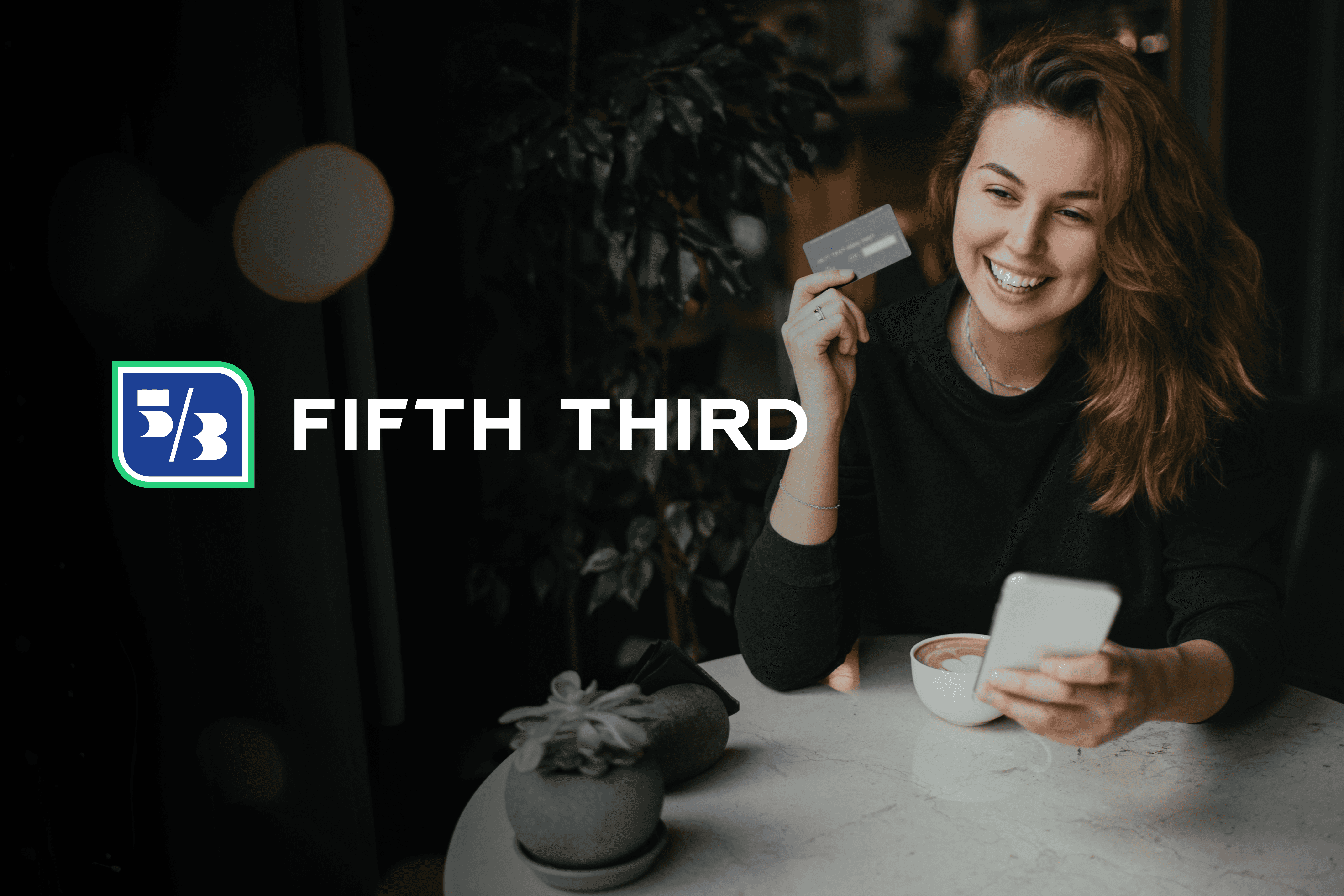
Fifth Third Forward
Modernizing customer account servicing through research, journey mapping, service blueprinting, and a unified platform vision built to reduce associate friction and improve customer outcomes.
Mobile App Design
Information Architecture
Fifth Third Forward
Modernizing customer account servicing through research, journey mapping, service blueprinting, and a unified platform vision built to reduce associate friction and improve customer outcomes.
Support
UI UX Design
Information Architecture
Greater Community Development
Cincinnati-based community development corporation dedicated to building equitable, sustainable neighborhoods through real estate investments.

Support
UI UX Design
Information Architecture
Greater Community Development
Cincinnati-based community development corporation dedicated to building equitable, sustainable neighborhoods through real estate investments.
Latest projects
Mobile App Design
Information Architecture
Fifth Third Forward
Modernizing customer account servicing through research, journey mapping, service blueprinting, and a unified platform vision built to reduce associate friction and improve customer outcomes.
Support
UI UX Design
Information Architecture
Greater Community Development
Cincinnati-based community development corporation dedicated to building equitable, sustainable neighborhoods through real estate investments.